Garage Door Compliance and the Danger of Wind-Borne Debris
A garage door looks simple from the road. It opens up, closes, and disappears right into the background until something fails. In Queensland, particularly in cyclone-prone locations, that simpleness can be misleading. A garage door is typically among the largest relocating parts of a home, and if it stops working under wind stress, the repercussions can be far wider than a dinged up panel or a loud motor. A failed door can allow wind thrill right into the building, lift roof cladding, damages ceilings, and scatter particles right into bordering properties.
That is why garage door standards matter a lot. They are not just documentation, and they are not simply for home builders trying to satisfy a conformity box. They are part of the functional defence a home has against severe climate. As soon as you have seen what a distorted door can do after a strong wind event, you stop thinking about it as a minor element. It becomes part of the building envelope, with real commitments connected to it.
Why garage doors rest at the centre of wind risk
When high winds strike, the garage door is often the largest opening in your house and among one of the most revealed. If it bows, spins, or is forced open, stress enters the building quickly. That adjustment in pressure can create a domino effect. Wall surfaces can be worried, ceilings can lift, and roof covering elements can separate. In that feeling, the door is not just a door. It is a barrier that aids maintain the remainder of the framework stable.
The Queensland government has particularly alerted that garage-door failing can cause significant damage inside the structure and can create harmful wind-borne debris. That phrase issues. Wind-borne debris is not an abstract term. It is what takes place when components of a structure, or items stored inside a garage, are grabbed by solid winds and turned into projectiles. In a street of homes, that can rapidly come to be an area issue as opposed to a single-property issue.
The practical lesson is uncomplicated. If the door is not strong enough for the wind region, or if it has been compromised by age, deterioration, impact, or poor upkeep, it can end up being the factor where the structure envelope paves the way. The damage often begins there and afterwards spreads.
What compliance implies in Queensland
Queensland's structure framework sits within the National Building Code, the Queensland Advancement Code, the Structure Act 1975, and the Structure Policy 2021. That issues due to the fact that it is the legal and technical framework that offers garage door criteria their pressure. Requirement Australia notes that Australian Requirements are volunteer unless referenced by legislation, best garage door repairs near me and that is the essential difference. Once a standard is picked up by the governing structure, it stops being optional in practice.
For garage doors in cyclone-prone parts of Queensland, the relevant criterion is AS/NZS 4505. Queensland Federal government advice claims garage doors installed in affected areas given that 2012 need to meet the wind-rated standard, and older doors may not have sufficient toughness for cyclonic winds. That is a clear line in the sand. A door can look functional and still be insufficient for the conditions it may face.
This is where a lot of complication starts for proprietors. Individuals often think that because a garage door was mounted properly, it must still be certified. But compliance is not iced up in time. The building may have been legal at installment, however age, replacement parts, motor changes, and basic wear can all transform the threat profile. A certified door in 2012 can be a doubtful one today if it has not been kept, fixed properly, or matched to later website conditions.
For owners in Queensland, the compliance inquiry is rarely academic. It is linked directly to wind area, building duration, and the problem of the door setting up. If the website is revealed, the margin for mistake is thin.
Wind-borne particles is not practically the door itself
The expression wind-borne debris frequently makes people photo roof iron, branch fragments, or loosened outside furniture. Those are actual risks. But garage-door failure can develop debris also. A panel can escape. Tracks can distort. Bolts can stop working. Also components of the opener system can come to be dangerous if the door is required or the device is damaged.
The bigger concern is what takes place after the door paves the way. When wind gets in the garage, stored items enter into the hazard. A device breast, storage containers, showing off equipment, and even light-weight house goods can be displaced. I have actually seen garages where a storm left the front door intact however turned the inside right into a mess of busted shelving and scattered objects because the garage door had stopped working under stress. The structure itself was then struck once more by its own contents.
That is why wind-rated garage door criteria are so crucial. They are not only concerning stopping the door from blowing in. They are likewise regarding lowering the chance that the garage becomes a source of flying debris. When people talk about strength, this is the sort of information that usually gets missed.
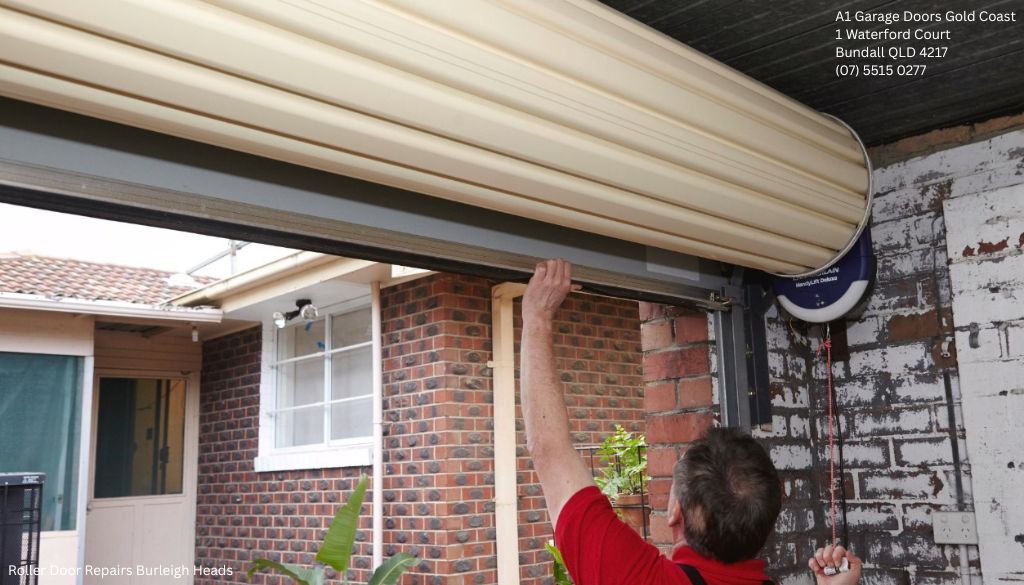
A door that is indicated to resist wind lots must be dealt with as component of the home's tornado envelope. If it is damaged, badly adjusted, or the wrong type for the area, the risk rises quickly. This is specifically real in coastal and cyclone-exposed parts of Queensland, where rust and repeated weather condition direct exposure can shorten the useful life of components that would certainly last longer inland.
Choosing the appropriate door is not just a style decision
There is a tendency to discuss garage doors as though the primary selection is look. Roller, sectional, tilt, colour, finish, insulation, clever controls, all of that issues. However in a wind-prone area, the initial question needs to be whether the door is appropriate for the location and compliant with the needed standard.
The sort of door can influence efficiency, maintenance, and repair functionality. A sectional door may match one developing layout much better, while a roller door might be favored in one more. Tilt doors have their very own auto mechanics and restraints. The choice ought to not be made on looks alone, since the cost of getting it incorrect shows up later on, frequently throughout a severe weather event.
For numerous property owners, the far better choice boils down to three functional inquiries. Is the existing door wind-rated for the location? Is it still in audio condition? And if it is not, does fix make good sense or is substitute the much safer path? Those questions are usually addressed just after a proper examination, not from a quick look from the driveway.
Here is the point where commercial garage door repair work and property repair start to overlap in reasoning. Whether the property is a home, a warehouse, or an industrial site, the key problem is lots, wear, and secure operation. A door that is binding, out of positioning, or showing deterioration may still operate on moderate days, but the real test is just how it behaves when conditions become extreme. That is where specialist analysis gains its keep.
Maintenance that really alters the outcome
Compliance does not finish when the door is set up. It lives or passes away through upkeep. This is where numerous proprietors drift into false self-confidence. The door opens up. The electric motor still runs. The remote works. So it must be fine. That is not a dependable test.
Manufacturers offer valuable upkeep assistance because they know where failures often tend to begin. Gliderol, for instance, suggests routine expert maintenance to support safety and security and lifespan, claims panel doors ought to be oiled every 3 to 6 months, and advises servicing every 2 years, with more constant attention for seaside residential or commercial properties. B&D keeps in mind that some property doors and openers included a service-linked service warranty arrangement that relies on servicing within the initial twelve month and then at the very least every 2 years. Those conditions are not simply service warranty small print. They are an idea regarding just how promptly neglected parts can drift out of spec.
Maintenance issues most in position where rust, salt air, and warmth work against hardware. A seaside property can show wear long before a comparable door inland does. Springs lose tension, rollers become noisy, cables age, and fasteners rust. A door may still move, however it may no more relocate securely or equally. If the opener is bring more than its share of the tons, use accelerates.
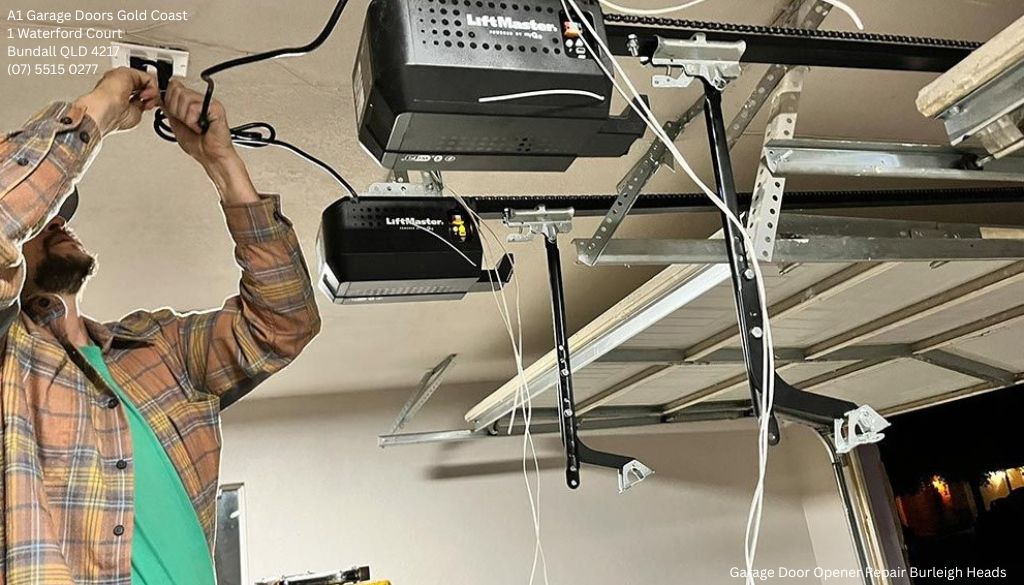
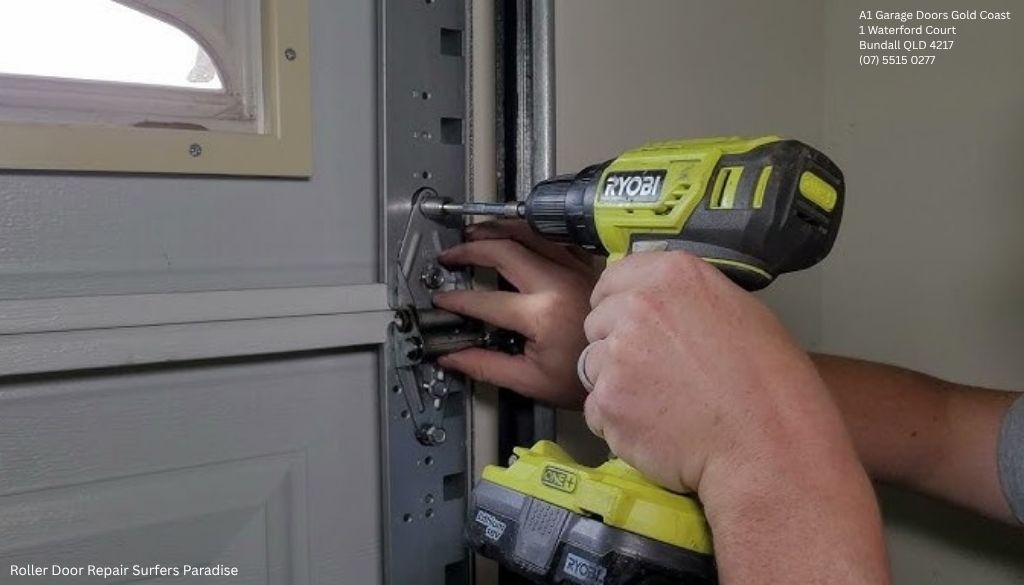
Professional servicing is valuable due to the fact that it catches the issues a property owner normally does not see. Track alignment, spring problem, cable wear, bracket tiredness, bolt corrosion, and panel stress are not always noticeable from ground level. A technician can also identify when the electric motor is making up for a larger or rougher door than it must be handling.
A practical servicing rhythm usually comes down to these five checks:
- Test the door's equilibrium and movement.
- Inspect springtimes, cable televisions, rollers, and brackets.
- Check for rust, corrosion, or influence damage.
- Confirm the opener is attached and running correctly.
- Verify the door still suits the wind and site conditions.
That sort of regimen is moderate compared to the price of post-storm repair work, ceiling damage, or a stopped working warranty claim.
Repair, substitute, and the difficult telephone calls proprietors need to make
People typically ask whether they ought to fix an existing door or replace it. There is no universal response, however there are clear patterns. If a door has a simple fault, such as a detached opener, a level battery in the remote, or a small modification problem, repair service might be reasonable. B&D's very own troubleshooting assistance mentions that some usual problems are very standard and may come down to batteries or a separated opener. That said, when the problem touches springtimes, cable televisions, structural distortion, or rust, the choice comes to be even more serious.
A garage door fixing is not nearly getting it relocating once more. It has to do with bring back secure procedure and, in cyclone-prone locations, recovering the best degree of resistance. If a door predates current requirements, has actually been covered consistently, or reveals ongoing corrosion, substitute can be the extra defensible option. That is specifically true if the current door is older and there is uncertainty concerning whether it fulfills the pertinent wind rating.
The replacement decision often boils down to whether the existing framework is still worth reminding requirement. If panels are harmed, hardware is tired, and the opener is currently near completion of its life, stacking fixings can set you back greater than an organized substitute. Proprietors in some cases chase after one repair after an additional due to the fact that each specific concern seems convenient. The issue is that garage doors work as a system. If the door, tracks, springtimes, and opener are all endangered in various methods, the system becomes unreliable also when each trouble looks tiny on its own.
In bigger properties and business setups, the stakes are a lot more evident. Industrial garage door repair services usually need to think about functional downtime, security, security, and the load the door should hold garage door repairs near southport qld up against. There is little worth in consistently covering a door that can not be trusted in bad weather condition or under constant use. The same principle relates to homes, even if the range is different.
The quieter problem of deterioration and coastal wear
Corrosion does not stand out up until it has actually already done its job. It starts on fasteners, joints, springs, and edges. After that it moves into the components that hold the system together. For homes near the coastline, this is one of the major reasons regular servicing matters a lot. The air is harsher, the setting is less flexible, and steel elements age faster.
What makes deterioration harmful is not simply the visible rust. It can minimize the stamina of vital components long before a home owner notices. A door might still look clean from the road and still be susceptible in a tornado. That space in between look and performance is where numerous failures begin.
An upkeep routine that suits an inland residential property might not be enough on the shore. A lot more constant examination, punctual replacement of rusted elements, and proper lubrication all assistance. None of that is attractive, yet it is what keeps the door from ending up being a weak point.
There is also a human element below. Owners often delay servicing because the door still seems to function. Technically, that might hold true. Almost, it may be developing a failing pattern that only reveals under stress and anxiety. The genuine test is not whether it opens this morning. The genuine test is whether it will certainly stay undamaged when the climate turns.
Smart controls and openers work, yet they are not the core defence
Modern openers and wise controls serve. They make gain access to easier, enhance benefit, and can add helpful indications. B&D says some opener versions include a service indicator light, which is a practical attribute since it advises the owner that maintenance schedules. Yet it is very easy to overestimate the role of smart functions. They do not replace architectural conformity, and they do not make an under-rated door wind-resistant.
A new opener can improve day-to-day usage, specifically when the old electric motor is struggling. It can additionally make the door safer to run if the previous device was undependable. However if the door itself is not suitable for the environment, a brand-new electric motor just solves component of the problem. It is a support group, not the primary shield.
That is why a proper upgrade conversation need to consider the whole setting up. Door condition, hardware, opener, compliance standing, upkeep background, and website direct exposure all belong in the very same discussion. Splitting them apart has a tendency to create costly half-measures.
What a proprietor must be asking before the following tornado season
A garage door should not be judged just when something breaks. By the time there is visible damages, the weather condition may currently have revealed a weakness that needs to have been taken care of earlier. Proprietors in Queensland, specifically in cyclone-prone zones, get better outcomes when they treat the door as a durability thing rather than a benefit item.
The most valuable questions are the ones that compel a practical solution. Was the door mounted to the wind-rated criterion needed for the area? Has it been serviced on schedule? Are there indications of deterioration, distortion, or excessive wear? Is the opener bring a door that is as well heavy or also rough for it? And if the door is older, is it still worth repairing, or is replacement the far better investment?
Those concerns are not theoretical. They go straight to security, residential or commercial property security, and whether the garage door is aiding or threatening the structure in a wind occasion. In the incorrect conditions, a weak door can end up being the start of a really costly domino effect. In the appropriate condition, a compliant, properly maintained door does silent job that the majority of people never ever notice, which is precisely what a safety barrier needs to do.