Exactly how to Repair a Garage Door That Will Not Shut Effectively
A garage door that rejects to shut all the way is greater than an inconvenience. It leaves the home subjected, damages protection, and on the Gold Shore it can become a severe storm-season problem very promptly. A door that hangs open by even a few centimetres can allow wind-driven rainfall, welcome parasites, and taxed the rest of the garage structure when serious weather condition gets here. Queensland guidance treats garage doors as a well-known powerlessness in cyclones completely reason. If the door is not shutting effectively, the issue requires attention prior to the next hefty climate system examines it.
Most property owners initially observe the problem in a small way. The remote works, the motor hums, the door begins down, then it reverses. In some cases the door shuts partway and leaves a visible space near the floor. Various other times one side rests less than the various other, or the seal fulfills the ground in one corner however not the various other. Those symptoms point to different faults, and the right fixing depends upon reviewing the behavior of the door rather than compeling it.
Start with the most basic causes
Before any person grabs devices, it helps to view the door via a full cycle. A great deal of the time the problem is not a fallen short major part, but a small obstruction, a sensing unit mistake, or a setup that has actually wandered. That is particularly true on automatic systems where the garage door motor is doing precisely what it was told to do, simply not what the property owner expected.
The most convenient things to inspect are the door course and the floor line. A broom take care of, a stone, a distorted weather condition seal, or even a little bit of jam-packed particles can quit the door from seating correctly. On older homes, the concrete piece can settle a little, and the door may now be trying to shut against a flooring that is no more level. In humid coastal conditions, seals additionally age quicker than individuals anticipate. A seal that looks intact from a distance can be stiff, flattened, or irregular sufficient to keep the last inch from shutting cleanly.
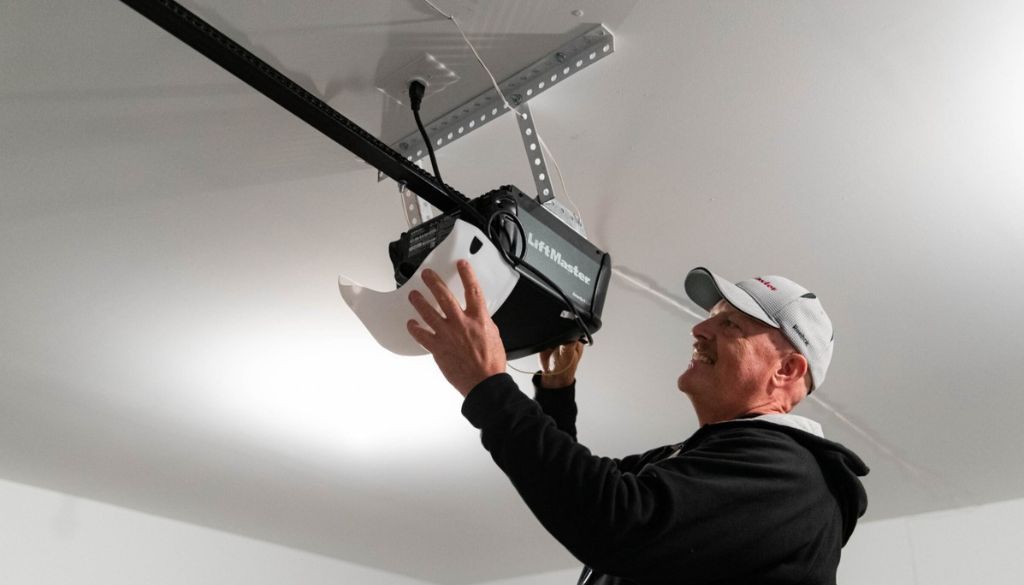
If the door quits and turns around before reaching the ground, the opener may be noticing resistance. That does not constantly mean the electric motor is stopping working. It usually indicates the system thinks the door has actually hit something. If the door closes, touches the ground, then recuperates up, the pressure setup may be too sensitive or the travel restriction might be off. Those prevail repair work factors, and they are worth checking before presuming a bigger fault.
What normally goes wrong
The most usual causes are mechanical, not mystical. Tracks can move. Joints can loosen up. Rollers can bind. Springs can lose balance. Wires can stretch or slip. Any one of those problems can keep the lower area from meeting the floor squarely.
With sectional doors, one side can take a trip somewhat ahead of the various other if a roller is put on or a hinge is curved. That creates a spin in the final technique, and the opener might stop when it spots additional load. Roller doors can act in different ways, yet the result is comparable. If the door jams, scratches, or leaves a gap, the barrel, guides, or drape positioning might require interest. Tilt doors have their very own set of problems, usually around the arms, rotates, and balance.
The opener itself can likewise be the offender. A garage door electric motor that has lost calibration may believe the door is currently shut when it is not. In many cases the motor is great, yet the drive chain or belt has slack that enables a little added movement without sufficient force to finish the cycle. That can be enough to set off a reversal or leave the door short of its proper position.
Electrical faults are much less common than used equipment, yet they do take place. A remote with a weak battery, a misaligned wall control, or a sensing unit issue can all cause confusing practices. If the opener reacts unexpectedly, do not overlook the easy best garage door repairs near me points. I have actually seen more than one door "failure" repaired by replacing a remote battery and cleansing a pair of safety sensing units that had dirt and cobwebs in front of them.
A useful way to identify the problem
When a garage door won't shut appropriately, the very best technique is to divide the issue right into course, balance, and control. That makes repair more reliable and reduces the chance 24/7 garage door service of chasing after the wrong issue.
Use this short check first:
- Look for anything physically obstructing the door course, including particles, a displaced seal, or a things at the floor line.
- Watch whether the door closes unevenly, which directs towards rollers, joints, cord tension, or track alignment.
- Check whether the door turns around at the same point every single time, which usually recommends a limit setting or sensor issue.
- Listen for grinding, scuffing, or a strained electric motor, since those audios typically reveal binding hardware.
- Inspect the seals and frame for voids, damage, or visible wear that can prevent a full close.
That procedure seems fundamental, however it eliminates a surprising number of callouts. It also helps you decide whether the problem is risk-free to explore yourself or whether it comes from a technician.
Safety issues more than speed
There is a factor where house owners ought to stop and require emergency repair services. Garage doors are hefty, and the springtime system stores enough stress to create significant injury if managed improperly. A door that is off balance, hanging uneven, or sticking halfway down can go down unexpectedly if a cord slides or a springtime gives way. That is not the minute for improvisation.
If the door is noticeably warped, one side is off the track, or a wire has come loose, do not keep cycling the opener. Duplicated efforts can damage the motor, bend hardware further, or pull the door harder against the issue. In storm season, a damaged door that maintains being forced shut can end up being unstable at the precise moment when the home requires it to be reliable.
There is also a good reason Queensland readiness material emphasises secure openings before serious climate. A garage door that falls short under wind pressure can cause wider damage to walls, ceiling cellular linings, and roofing cladding. As soon as the garage envelope is compromised, the problem hardly ever remains neighborhood. It spreads. That is why repair service decisions need to account for weather condition risk, not simply day-to-day convenience.
When the issue is the opener
If the door relocates easily by hand but stops working when powered, the opener deserves attention. A garage door motor might be under stress from a mis-set traveling limit, a delicate pressure setup, or used drive components. The indicators are usually consistent. The opener may start normally, after that quit early. It might turn around after touching the flooring lightly. It may likewise make a normal opening noise however struggle at the end of the closing cycle.
A qualified service technician will normally take a look at the traveling settings, drive tension, installing security, and the problem of the opener's interior components. For a property owner, the helpful monitoring is whether the door acts differently when run by hand. If it closes smoothly by hand yet not with the motor, the issue is probably not the door panels themselves. If it binds by hand, the difficulty is mechanical.
That distinction issues because too many individuals change remotes or condemn the opener when the actual cause is a bent track or stopping working roller. On the various other hand, sometimes the opener has genuinely gotten to the factor where change is no longer enough. If the motor is struggling on a door that otherwise looks healthy, the age and service background of the opener come to be pertinent. An older device that has seen years of coastal humidity and duplicated storm-season usage might not be worth nursing via an additional period without service.
Seals, structures, and the home envelope
Garage door troubles are not constantly remarkable. Sometimes the door closes, however the seal is inadequate. That still counts as a repair problem, especially in a region where climate adjustments promptly. A worn bottom seal, broken garage door resource side seal, or framework that has drifted out of square can allow water and wind even when the door practically reaches the shut position.
This is where preventative maintenance for garage doors settles. Checking seals, fasteners, and structure alignment prior to storm season can protect against the type of failing that turns a regular solution call into a bigger task. It is also one of the more cost-effective routines a homeowner can construct. Changing a seal is far less complex than managing moisture damage after repeated rainfall intrusion.
The exact same puts on a door that closes but does not lock or seat firmly. Security and tornado durability overlap below. Queensland security assistance references safe locking systems and anti-tamper functions for certain applications, which is not simply an industrial problem. A garage that shuts freely is easier to require, simpler to leakage, and less complicated to damage under pressure.
Repair options that make sense in actual life
Not every repair work ought to be treated as a lasting spot. Some faults are worth taking care of promptly due to the fact that they impact safety and security and tornado resilience. Others are better handled as part of an organized substitute, particularly when the door is older or does not comply with present wind-pressure expectations.
If the problem is a single worn seal, a misaligned sensing unit, or a small opener change, a simple solution go to might be all that is needed. If the door has reoccuring track concerns, repeated equilibrium troubles, or noticeable structural weak point, the conversation shifts. In cyclone-prone components of Queensland, changing a non-compliant door can boost resilience in a significant means. The goal is not just to obtain the door relocating once again, yet to make certain it can withstand the conditions it is likely to face.
That is specifically important with roller doors and sectional doors that work as a huge opening on the front of the home. A door that looks penalty in tranquil weather condition can still be a powerlessness in high wind. The distinction between a door that shuts and a door that is correctly ranked and secured issues when serious climate arrives.
What to do prior to the next storm season
Storm preparation need to not begin when a cyclone watch is issued. By then, there is hardly ever sufficient time to iron out a worn seal, a loud track, or a door that currently sticks at all-time low. The much better practice is to examine the door well prior to the season tightens up up.
A reasonable regimen is to examine the close cycle, listen for changes in noise, examine the flooring seal, and try to find motion in the tracks and equipment. If the door has ended up being slower, shakier, or less predictable over the last few months, that is a hint. Doors generally warn you prior to they fail. The method is discovering the warning while there is still time to act.
It likewise aids to assume in terms of emergency repairs. If a tornado is coming close to and the door is currently undependable, the concern is to recover closure and protection as swiftly as feasible. That may indicate a momentary solution, an electric motor adjustment, or changing a fallen short part that is clearly preventing safe operation. In an emergency situation, the goal is stability and closure, not perfection. Once conditions are tranquil, a much more detailed inspection can follow.
A brief repair sequence that prevents typical mistakes
For homeowners that desire a basic order of procedures, the job often tends to go best when it complies with the door itself.
- Clear the track and flooring line, then examine the door manually if it is risk-free to do so.
- Inspect the seals, rollers, joints, and visible equipment for wear or misalignment.
- Check whether the opener closes appropriately by hand and by electric motor, which assists separate the fault.
- Avoid duplicated power cycles if the door binds, turns around, or rests crooked.
- Call a qualified professional if the door is off equilibrium, the cord appears loose, or the garage door electric motor strains repeatedly.
That sequence is intentionally traditional. It maintains the evaluation focused on what can be observed without taking hazardous shortcuts.
Why repairs ought to be tied to maintenance, not simply breakdowns
The ideal garage door repair work are often the ones that happen prior to a full failure. Precautionary upkeep for garage doors is not extravagant, yet it is one of one of the most functional forms of home protection readily available to a homeowner. A door that is serviced routinely has a tendency to run quieter, close more constantly, and disclose wear before it turns into a shutdown.
On the Gold Coastline, maintenance brings a fringe benefit. It improves preparedness for storm period. That indicates inspecting the door placement, testing the opener, keeping seals in usable problem, and making certain the opening prepares to withstand wind and rainfall. For homes and services alike, the same principle applies. A strong garage door belongs to a wider prepare for extreme climate readiness, not a different item of hardware that can be overlooked up until it breaks.
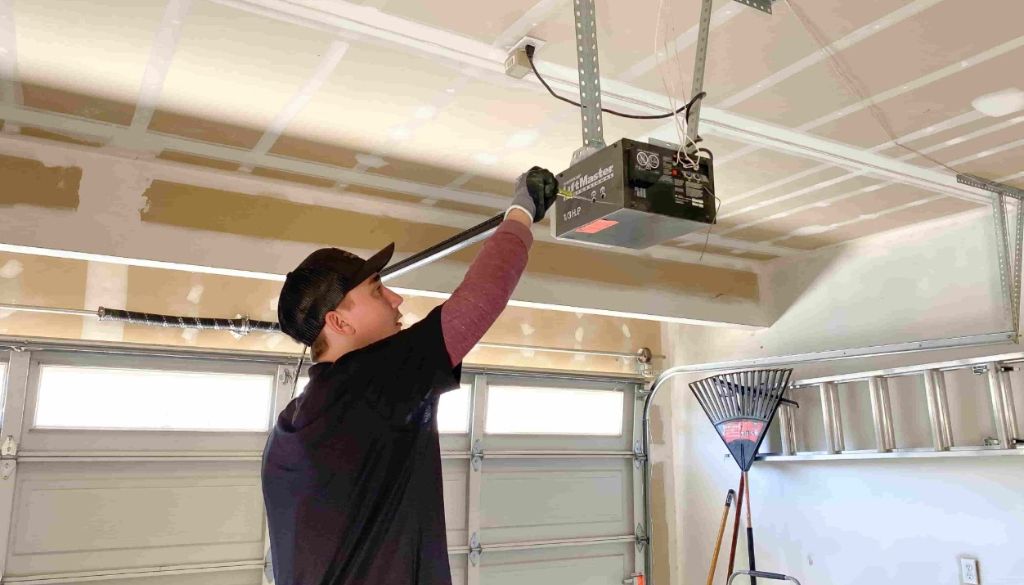
People sometimes await a total failing since the door still primarily works. That is an inadequate method to take care of a big relocating barrier. A door that almost shuts is not good enough when the weather transforms rough, and it is absolutely inadequate when protection issues after dark or during a tornado blackout. A small repair service now normally sets you back much less than a larger structural issue later.
Knowing when substitute is the smarter repair
Some doors can be fixed repeatedly and continue to be reputable. Others reach a factor where continued patching does not make good sense. If the door has numerous faults, recurring equilibrium problems, old equipment, or a style that does not fulfill current wind-pressure expectations, substitute might be the a lot more responsible path.
This is not concerning chasing excellence. It is about recognising when the door has actually become a liability. A non-compliant or ragged garage door can be the very first thing to fail in a severe wind occasion, and as soon as it falls short, the damage can prolong past the door itself. Replacing it may feel like a larger action than taking care of the instant sign, however in a storm-prone region that decision typically shields more of the property.
The right call normally becomes clearer when you check out the pattern, not the solitary sign. One poor seal is repairable. One bent roller is repairable. A door that repetitively fails to close, repeatedly stresses the electric motor, and repetitively leaves the garage revealed is telling you something different. It is asking for either a proper overhaul or a replacement made for the conditions it faces.
A garage door that will certainly not shut correctly is seldom a problem that needs to be ignored, and it is never just a nuisance as soon as storm period is on the horizon. The bright side is that the reason is frequently visible if you slow down and examine the system with care. Check out the door course, the seals, the equilibrium, the opener, and the hardware that brings the load. Repair the tiny faults early. Treat jagged motion, duplicated turnarounds, and noticeable damages as cautions, not hassles. On a residential or commercial property that requires to be prepared for serious climate, a fully shutting garage door is part of the structure's defence, not a small convenience.